Atlas Chiropractic

The Role of Hydration in Disc and Joint Health

When people think about spinal health, they often focus on posture, exercise, or chiropractic care. One important factor is frequently overlooked: hydration. Drinking enough water plays a major role in keeping your spinal discs and joints healthy, flexible, and functioning properly. Without proper hydration, even the best posture and movement habits can fall short.

Your spine and joints rely on water more than you may realize. Staying hydrated doesn’t just support overall health—it directly impacts how your body moves, absorbs shock, and recovers from daily stress.

Why Water Matters for Your Spine

Your spinal discs act as cushions between the vertebrae, helping absorb impact and allow smooth movement. These discs are made up mostly of water. In fact, healthy spinal discs can be up to 80% water when you’re young. As the day goes on, gravity and movement naturally compress the discs, pushing some fluid out. When you rest and rehydrate, they refill and regain height.

If you’re not drinking enough water, your discs can’t fully rehydrate. Over time, this can lead to stiffness, reduced flexibility, and increased wear and tear on the spine. Dehydrated discs don’t absorb shock as well, which can contribute to discomfort and limited movement.

Hydration and Joint Health

Joints throughout the body also depend on proper hydration. Synovial fluid, which lubricates joints like the shoulders, hips, and knees, is largely made of water. This fluid reduces friction, supports smooth motion, and helps deliver nutrients to joint tissues.

When you’re dehydrated, joints may feel stiff or achy, especially after sitting for long periods or first thing in the morning. While hydration alone won’t fix structural issues, it plays a key role in keeping joints comfortable and resilient.

How Dehydration Affects the Nervous System

The nervous system depends on hydration too. Nerves require a healthy environment to send clear signals between the brain and body. Dehydration can contribute to muscle tension, fatigue, and slower recovery because tissues aren’t getting the nutrients they need efficiently.

When spinal alignment is already under stress, dehydration can make symptoms more noticeable. Tight muscles, headaches, and reduced mobility may feel worse when the body lacks adequate fluids.

Signs You May Not Be Drinking Enough Water

Many people wait until they feel thirsty to drink water, but thirst is often a late signal of dehydration. Some common signs you may need more water include:

  • Stiffness in the neck or back
  • Joint discomfort or reduced flexibility
  • Fatigue or low energy
  • Headaches
  • Muscle tightness or cramping

While these symptoms can have many causes, hydration is an easy place to start when supporting spinal and joint health.

How Much Water Do You Really Need?

There’s no one-size-fits-all answer, but a common guideline is to drink about half your body weight in ounces of water per day. For example, a 160-pound person may aim for around 80 ounces daily. Activity level, climate, and overall health can increase your needs.

It’s also important to spread water intake throughout the day instead of drinking large amounts all at once. Consistent hydration helps your tissues stay nourished and flexible.

Hydration and Chiropractic Care

While hydration supports disc and joint health, it works best alongside proper spinal alignment. Chiropractic care focuses on improving how the spine moves and how the nervous system functions. When spinal joints are moving properly, they can better distribute fluids and nutrients throughout the discs and surrounding tissues.

At Atlas Chiropractic, care is centered on helping the body function as it was designed to. Supporting spinal alignment through chiropractic adjustments, combined with healthy habits like proper hydration, can help patients experience better mobility, comfort, and long-term spinal health.

Simple Tips to Stay Better Hydrated

Making hydration part of your daily routine doesn’t have to be complicated. A few simple habits can help:

  • Start your morning with a glass of water
  • Keep a reusable water bottle nearby
  • Drink water before you feel thirsty
  • Increase intake during exercise or hot weather
  • Balance caffeine and sugary drinks with water

These small changes can have a big impact on how your spine and joints feel over time.

A Small Habit With Big Benefits

Hydration may seem like a minor detail, but it plays a major role in spinal disc health, joint function, and nervous system support. Without enough water, your body has a harder time absorbing shock, moving freely, and recovering from daily stress.

By staying hydrated and supporting spinal alignment through chiropractic care, you give your body the tools it needs to function at its best. Healthy movement, improved comfort, and long-term wellness often start with the simplest habits—and drinking enough water is one of the most important.


Spinal health with a desk job

How Your Desk Setup Could Be Harming Your Spine (and How to Fix It)

For many people, the workday means hours at a desk. Whether you’re in an office, working from home, or studying at a computer, your desk setup plays a bigger role in your health than you might think. A poorly designed workstation doesn’t just cause discomfort—it can quietly strain your spine and nervous system over time, leading to long-term problems if not corrected.

Neck pain, back pain, headaches, fatigue, and stiffness often start as small annoyances. But these symptoms can build slowly, day after day, from poor posture and unhealthy sitting habits. The good news? Simple changes to your desk setup and daily routine can make a powerful difference in your spinal health.

The Hidden Impact of Poor Desk Posture

Slouching forward, leaning your head toward the screen, or sitting without proper support places extra stress on your spine. When your posture is off, your muscles are forced to work harder to hold your body upright. Over time, this leads to muscle tension, joint stress, and spinal strain.

But the issue goes deeper than just sore muscles. Your spine protects your nervous system, which controls how your body moves, heals, and functions. When posture problems affect spinal alignment, nerve communication can also be impacted. This can contribute to chronic pain, reduced mobility, fatigue, and even poor focus and concentration.

Common Desk Setup Mistakes

Many desk-related spinal issues come from a few common problems:

  • Low monitor height that forces your head to tilt downward
  • Unsupported chairs that don’t support your lower back
  • Feet dangling or tucked under the chair instead of flat on the floor
  • Arms and wrists positioned too high or too low
  • Long periods of sitting without movement

These small habits add up over time, slowly placing stress on the spine and nervous system.

Simple Fixes That Make a Big Difference

Improving your desk setup doesn’t require expensive equipment or a full office makeover. A few simple adjustments can greatly reduce strain on your spine:

  1. Raise your monitor to eye level
    Your screen should be directly in front of you, with the top of the monitor at or slightly below eye level. This helps prevent forward head posture and neck strain.
  2. Keep your feet flat on the floor
    Your feet should rest flat, with knees at or slightly below hip level. This supports better spinal alignment and balance.
  3. Set your elbows at a 90-degree angle
    Your keyboard and mouse should allow your arms to stay relaxed at your sides, with elbows bent comfortably. This reduces shoulder and neck tension.
  4. Support your lower back
    A chair with proper lumbar support helps maintain the natural curve of your spine. If your chair lacks support, a small pillow or rolled towel can help.
  5. Take regular movement breaks
    Even perfect posture becomes stressful when held too long. Stand up, stretch, and move every 30–60 minutes to keep your muscles and joints healthy.

Why Sitting All Day Is So Hard on Your Body

The human body wasn’t designed to sit for long periods. Prolonged sitting tightens hip flexors, weakens core muscles, and places constant pressure on the spine. Over time, this can lead to postural imbalances that affect how you stand, walk, and move.

These imbalances don’t just cause discomfort—they can change spinal alignment and interfere with nerve communication. This is why desk-related pain often spreads beyond the back and neck into the shoulders, arms, and even hips.

Chiropractic Care and Desk-Related Spinal Stress

While better desk ergonomics can prevent many problems, long-term sitting habits often create deeper structural imbalances. Chiropractic care helps address these issues by restoring proper spinal alignment and improving nervous system function.

By correcting misalignments caused by prolonged sitting, chiropractic adjustments help the body move more efficiently and comfortably. Clinics like Atlas Chiropractic focus on improving spinal function, posture, and nervous system health—not just managing pain symptoms.

This approach supports better posture, improved mobility, reduced tension, and long-term spinal stability, helping your body adapt better to daily desk demands.

Long-Term Benefits of a Healthy Desk Setup

When your desk supports your spine instead of stressing it, the benefits go far beyond comfort:

  • Less neck and back pain
  • Fewer headaches and tension-related symptoms
  • Better posture and body awareness
  • Increased energy and focus
  • Reduced risk of chronic spinal issues

Small daily habits shape long-term health. The way you sit, move, and work every day has a direct impact on how your body feels years from now.

A Healthier Workday Starts With Your Spine

Your desk setup may seem like a small detail, but it plays a major role in your spinal and nervous system health. Poor posture and prolonged sitting can quietly damage your spine, while simple ergonomic changes can protect it.

By improving your workspace, taking movement breaks, and supporting spinal alignment through chiropractic care, you can protect your body from the long-term effects of desk stress. A healthier spine leads to better movement, better comfort, and better overall wellness—both at work and beyond.

Atlas Chiropractic

Why Nervous System Health Matters More Than Muscle Pain Alone

When pain shows up, most people focus on the obvious problem—sore muscles. A stiff neck, tight shoulders, or aching lower back can feel like the main issue. It’s natural to want to rub it, stretch it, or ice it until it feels better. But muscle pain is often just the signal, not the source. To understand true healing, you have to look deeper—at your nervous system.

Your nervous system is the control center of your entire body. It affects how you move, how you feel pain, how you heal, and how your body responds to stress. When this system isn’t working properly, muscles often suffer as a result. That’s why focusing only on muscle pain can lead to short-term relief instead of long-lasting results.

The Nervous System: Your Body’s Command Center

The nervous system includes your brain, spinal cord, and nerves. Together, they send messages to every part of your body. These messages tell your muscles when to contract and relax, your organs how to function, and your body how to respond to everyday stress.

The spine plays a major role in protecting this system. When the spine is properly aligned, nerve signals can travel freely between the brain and the rest of the body. But when spinal misalignments—often called subluxations—occur, those signals can become disrupted. This interference can affect muscles, joints, and even overall wellness.

Why Muscles Hurt When Nerves Are the Real Issue

Muscle pain often shows up as tightness, soreness, or spasms. While the muscle itself feels like the problem, it’s frequently reacting to something else. When nerves are irritated or compressed due to spinal misalignment, muscles may tighten to protect the area. Over time, this tension can cause pain, stiffness, and reduced mobility.

Treating the muscle alone may provide temporary comfort, but if the nerve interference isn’t corrected, the pain often returns. This is why people sometimes feel stuck in a cycle of flare-ups—relief followed by recurring discomfort.

Chiropractic Care Looks at the Root Cause

Chiropractic care focuses on restoring proper spinal alignment so the nervous system can function as it should. Instead of masking symptoms, chiropractic adjustments aim to remove interference that affects nerve communication.

When the spine moves better and nerves can send clear messages, muscles no longer need to overcompensate. This allows the body to heal naturally and efficiently. Practices like Atlas Chiropractic take a whole-body approach, helping patients address the underlying cause of pain rather than chasing symptoms.

Benefits Beyond Pain Relief

When nervous system health improves, the benefits often extend far beyond reduced muscle pain. Patients frequently notice:

  • Longer-lasting relief instead of short-term fixes
  • Improved mobility and flexibility

  • Better posture and spinal balance

  • Reduced tension and stress

  • Improved coordination and movement patterns

Because the nervous system controls so many body functions, supporting it can positively impact overall wellness—not just pain levels.

Stress and the Nervous System

Modern life puts constant stress on the nervous system. Long hours sitting, poor posture, repetitive movements, emotional stress, and lack of sleep can all affect spinal health. Over time, this stress can lead to misalignments that interfere with nerve function.

Chiropractic care helps the body adapt to stress more effectively. By improving spinal alignment, the nervous system can better regulate how the body responds to daily demands, helping you feel more balanced and resilient.

Why Temporary Pain Management Isn’t Enough

Pain medications, muscle relaxers, and massage can all play a role in comfort care, but they don’t correct nerve interference. They often work by dulling pain signals or relaxing muscles without addressing why the problem started.

When care focuses on nervous system health, the goal shifts from managing pain to supporting function. This approach helps the body heal from the inside out, leading to more sustainable results.

A Healthier Way Forward

Muscle pain may be what gets your attention, but it’s rarely the whole story. Your nervous system plays a powerful role in how your body moves, heals, and feels each day. By focusing on spinal health and nerve communication, chiropractic care offers a deeper path to healing.

If you’re tired of temporary relief and want to support your body the way it was designed to work, addressing nervous system health may be the missing piece. True wellness starts from the inside—and it starts with a healthy spine.


Concussion care from Atlas Chiropractic

How NUCCA Supports Recovery From Concussions

A concussion can change the way your body feels and functions, even long after the initial injury. Many people experience headaches, dizziness, neck pain, and trouble concentrating for weeks or months after a concussion. While rest and medical care are important, some people continue to struggle because their upper cervical spine is out of alignment. NUCCA chiropractic care focuses on this exact area—the top of the spine where the head and neck connect. When this part of the spine is shifted even slightly, it can affect healing. That’s why many people turn to Atlas Chiropractic to support their recovery. Here’s how NUCCA can help.

Understanding Concussions and the Upper Cervical Spine

A concussion is a type of traumatic brain injury caused by a hit, jolt, or sudden movement of the head. Even small impacts can cause the brain to move inside the skull. When this happens, it can affect balance, thinking, mood, and coordination.

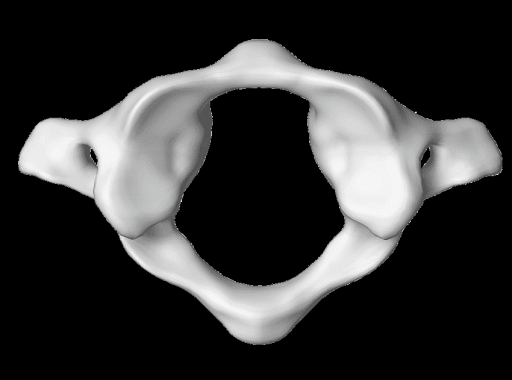
During the same impact, the upper cervical spine—especially the atlas vertebra—can shift out of its normal position. This bone sits right under the skull and plays a key role in protecting the brainstem and supporting proper nerve function. When the atlas is misaligned, it can create tension, reduce blood flow, and affect communication between the brain and the body. These issues can make concussion symptoms last longer than they should.

Why Upper Cervical Alignment Matters After a Concussion

The atlas is one of the smallest bones in the spine, but it has a big impact on the body. When it is out of alignment, even by a tiny amount, the nervous system can become stressed. This can make it harder for the brain to heal after an injury.

People recovering from concussions often deal with symptoms like:

  • Frequent headaches
  • Dizziness or balance problems
  • Neck pain and stiffness
  • Trouble focusing or remembering
  • Sensitivity to light and sound
  • Fatigue or “brain fog”

These symptoms may continue because the body is struggling to return to balance. NUCCA care aims to gently restore that balance by correcting atlas alignment. Providers trained in this method use precise measurements and gentle adjustments to help the body function better during the healing process.

How NUCCA Adjustments Work

NUCCA chiropractic care does not involve twisting, cracking, or forceful movements. Instead, it uses a soft and controlled adjustment to guide the atlas back into place. Before any adjustment is made, a NUCCA practitioner takes detailed images to understand the exact direction and degree of misalignment.

This type of targeted approach helps the body relax, reduces muscle tension, and allows the brain and spine to communicate more clearly. Many people report feeling lighter, steadier, or more comfortable after their first adjustment. These changes can play an important role in concussion recovery.

NUCCA and Headache Relief

One of the most common long-term effects of a concussion is ongoing headaches. These headaches often come from tension at the top of the neck. When the atlas is misaligned, the muscles around the skull and neck work harder to support the head. This creates tightness and irritation that can lead to pain.

By improving alignment, NUCCA adjustments can ease this tension and support better blood flow around the brain. For many people, this leads to fewer headaches and a clearer mind.

Improving Balance and Coordination

Balance issues are another common challenge after a concussion. The upper cervical spine is closely connected to the systems that help your body stay steady. When the atlas is not properly aligned, signals between the brain and body may become mixed or delayed.

NUCCA care can help restore proper alignment, which may improve stability and reduce dizziness. Many patients notice that they feel more grounded and secure on their feet after care.

Supporting Mental Clarity and Focus

Many people recovering from concussions describe feeling mentally “foggy.” They may have trouble thinking clearly, concentrating, or remembering details. This can be frustrating and affect daily life.

Correcting atlas misalignment can help reduce stress on the nervous system. When the brain has clearer communication pathways, it may be easier to focus and think more clearly. This is one reason people recovering from head injuries often report improved mental clarity after beginning NUCCA care.

A Gentle Approach to Healing

Concussions require time and care to heal properly. NUCCA is a gentle, noninvasive way to support the body during this process. It does not replace medical treatment but can work alongside other care to help the body heal naturally. Since NUCCA adjustments are soft and precise, they are often a good fit for people who are sensitive or still recovering from trauma.

If you are still dealing with symptoms long after your concussion, it may be worth exploring whether atlas misalignment is playing a role. Getting evaluated by Atlas Chiropractic can help you understand what’s happening in your upper cervical spine and whether gentle adjustments could support your recovery. With the right care, your body can move closer to balance, comfort, and clearer function as you continue to heal.

Atlas Chiropractic

Neuropathy and Chiropractic Care: Can It Help?

Have you ever felt tingling, burning, or numbness in your hands or feet? Maybe your legs feel weak, or your fingers feel like pins and needles. These could be signs of neuropathy, a condition that affects your nerves. It can be frustrating and painful — but there’s good news. Some people find real relief through chiropractic care, especially with the help of experienced providers like Atlas Chiropractic.

Let’s break it down in a simple way and explore how chiropractic care might help with neuropathy.

What Is Neuropathy?

Neuropathy means there’s a problem with your nerves. Your nerves send messages between your brain, spinal cord, and the rest of your body. When nerves get damaged, those messages get mixed up. That’s when you start feeling strange sensations — like burning, tingling, or even pain.

There are many types of neuropathy, but the most common one is peripheral neuropathy. That means the nerves in your hands, feet, arms, or legs are affected.

What Causes Neuropathy?

Neuropathy can be caused by many things. Some common causes include:

  • Diabetes (the most common cause)
  • Injuries

  • Poor circulation

  • Vitamin deficiencies

  • Infections

  • Side effects from medications

  • Alcohol abuse

  • Pinched nerves in the spine

Sometimes, doctors don’t know the cause. That’s called idiopathic neuropathy, which simply means “we don’t know why.”

What Are the Symptoms of Neuropathy?

Neuropathy can feel different for everyone. Some common symptoms include:

  • Tingling or “pins and needles”
  • Burning or sharp pain
  • Numbness or weakness
  • Trouble feeling temperature or touch
  • Muscle cramps or twitching
  • Balance problems

These symptoms can be mild or very painful. Some people have trouble walking or using their hands.

How Is Neuropathy Usually Treated?

Doctors usually treat neuropathy based on the cause. For example, if it’s from diabetes, they’ll focus on controlling blood sugar. If it’s from a vitamin deficiency, they might suggest supplements.

Other treatments may include:

  • Pain medications
  • Physical therapy
  • Injections
  • Nerve stimulation
  • Lifestyle changes

But what if you’re still in pain? That’s where Atlas Chiropractic may help.

What Is Chiropractic Care?

Chiropractors are healthcare providers who focus on the spine, joints, and nervous system. They believe that keeping your spine and body in proper alignment helps your nerves work better and reduces pain.

Chiropractors use hands-on techniques, called adjustments, to move parts of your spine or joints into better positions. These small adjustments can help relieve pressure on nerves, improve blood flow, and support your body’s natural healing ability.

How Can Chiropractic Care Help with Neuropathy?

Chiropractic care doesn’t cure neuropathy, but it may help reduce symptoms and improve your quality of life — especially if your neuropathy is caused by a pinched nerve, spinal misalignment, or poor circulation.

Here’s how chiropractic care at Atlas Chiropractic can help:

✅ Improving Nerve Function

Chiropractic adjustments can reduce pressure on nerves that may be pinched or irritated, especially in the spine. This helps restore better communication between your nerves and your brain.

✅ Increasing Blood Flow

Good circulation is important for nerve health. Chiropractic care can improve blood flow to your arms, legs, and feet, which may help nerves heal.

✅ Reducing Inflammation

Inflammation can make neuropathy symptoms worse. Chiropractic adjustments may help lower inflammation naturally, without medication.

✅ Better Movement and Balance

If neuropathy affects your balance or coordination, chiropractic care can help by improving posture, movement, and muscle control. Many chiropractors also include stretching, exercises, and posture correction in their care plans.

What to Expect at a Chiropractic Visit

If you visit Atlas Chiropractic for neuropathy, here’s what you can expect:

  1. Evaluation – The chiropractor will ask about your symptoms, health history, and check how your body moves.
  2. Testing – You may have tests to see how well your nerves are working. Sometimes, your chiropractor might refer you to a medical doctor for more testing.
  3. Treatment Plan – You’ll get a plan that may include spinal adjustments, exercises, massage, or other therapies.
  4. Ongoing Care – Most people need more than one visit to see results, especially if their neuropathy has been around for a while.

Is Chiropractic Care Safe?

Chiropractic care is safe and gentle for most people, especially when provided by licensed professionals like those at Atlas Chiropractic. Be sure to tell your chiropractor about any medical conditions or medications you’re taking. If you have diabetes, heart issues, or other health concerns, it’s always a good idea to talk to your doctor first.

Final Thoughts

Neuropathy can make everyday life harder — but there is hope. Chiropractic care, especially from experts like Atlas Chiropractic, may help you manage the pain, improve nerve function, and feel more in control of your health.

If you’re dealing with burning, tingling, numbness, or nerve pain, don’t ignore it. Chiropractic care may be a natural, drug-free way to find relief and support your body’s healing process.

Taking care of your nerves, your spine, and your whole body is one more step toward feeling better — and living the life you deserve.

Pregnancy and NUCCA Chiropractic Care

Pregnancy and NUCCA Chiropractic Care: A Gentle Approach to Relief

Pregnancy is an exciting time—but it can also bring a lot of physical changes and discomfort. From back pain to poor sleep to balance issues, many expecting moms deal with challenges as their body grows and shifts. While these changes are normal, that doesn’t mean you have to suffer through them.

More women are turning to NUCCA chiropractic care for a gentle, safe way to feel better during pregnancy. At Atlas Chiropractic, we understand how important it is for moms-to-be to feel their best—and NUCCA can help.

What Is NUCCA Chiropractic Care?

NUCCA stands for the National Upper Cervical Chiropractic Association. It’s a special kind of chiropractic care that focuses on the top of the spine, where your neck meets your head. This area is called the upper cervical spine.

Unlike traditional chiropractic adjustments that might involve twisting or popping, NUCCA is very gentle. It uses light, precise pressure to realign the bones in your neck. Even though the touch is soft, it can have powerful effects on your body’s overall balance and function.

Why Pregnancy Affects the Spine

During pregnancy, your body goes through many changes to support your growing baby. Some of these changes include:

  • A growing belly that shifts your posture
  • Looser ligaments and joints due to the hormone relaxin

  • Extra weight on your lower back and hips
  • Changes in balance and walking patterns

All of these can lead to misalignments in the spine—especially in the neck and pelvis. When your spine is out of alignment, it can put pressure on your nerves and muscles, leading to pain, fatigue, headaches, and more.

That’s where Atlas Chiropractic and NUCCA care come in.

How NUCCA Helps During Pregnancy

NUCCA chiropractic care works by correcting small misalignments at the top of your neck. This may seem far from your lower back or hips, but your entire spine is connected. When your neck is properly aligned, your whole body can work better.

Here’s how NUCCA care can support you during pregnancy:

✅ Reduces Back, Hip, and Pelvic Pain

Back pain is one of the most common pregnancy complaints. As your belly grows, your spine has to support more weight—and it often gets pulled out of balance. NUCCA adjustments help restore alignment, which may reduce strain on your lower back and hips.

✅ Supports Better Posture and Balance

As your center of gravity shifts, it’s easy to feel unsteady or off balance. NUCCA care helps your spine and nervous system stay aligned, which can improve balance and reduce the risk of falls.

✅ May Help with Headaches and Neck Tension

Hormone changes and stress can lead to tension in your neck and shoulders. If your upper neck is misaligned, it may make headaches worse. NUCCA care gently targets that area, helping relieve pressure and improve how you feel.

✅ Encourages Better Sleep

Discomfort and pain can make it hard to sleep while pregnant. By easing physical tension and helping your body relax, NUCCA adjustments may support better rest.

✅ Helps the Nervous System Work Better

Your brain and body communicate through your nervous system. When your spine is in alignment—especially the upper cervical spine—those messages can flow more freely. This can improve your body’s ability to handle stress and stay healthy during pregnancy.

Is NUCCA Safe During Pregnancy?

Yes—NUCCA is considered very safe during pregnancy. Because the technique is so gentle and does not involve twisting, popping, or forceful movements, many pregnant women find it comfortable and calming.

At Atlas Chiropractic, we take extra care to make sure you’re in a safe and supported position during your adjustment. We also work closely with your healthcare providers when needed, to make sure your care fits with your overall pregnancy plan.

What to Expect During a NUCCA Visit

If it’s your first time at Atlas Chiropractic, we’ll start by learning about your health history and pregnancy journey. You may have a posture exam, spinal measurements, and gentle X-rays (if appropriate and safe for your stage of pregnancy). These tests help us understand your alignment and create a personalized care plan.

During a NUCCA adjustment, you’ll lie on your side while the chiropractor applies soft, precise pressure to your upper neck. It’s pain-free and relaxing—many patients don’t even feel the adjustment happen! Afterward, you may notice a shift in how you stand, walk, or feel.

When Should Pregnant Women Start NUCCA Care?

There’s no “perfect” time to start, but many women begin NUCCA care in their first or second trimester. Others start later when discomfort becomes more noticeable. Some moms even continue NUCCA care after birth to support their recovery and overall wellness.

Whether you’re early in your pregnancy or nearing your due date, NUCCA can be a gentle way to stay balanced and comfortable.

Final Thoughts

Pregnancy is a beautiful journey, but it can be tough on your body. You deserve to feel supported, comfortable, and cared for during this special time.

NUCCA chiropractic care at Atlas Chiropractic offers a safe and gentle way to reduce pain, improve posture, and support your nervous system as your body changes. With no cracking or twisting, it’s an ideal option for moms who want relief without added stress.

If you’re expecting and looking for natural ways to feel your best, NUCCA care might be just what you need. A healthier spine means a healthier pregnancy—for both you and your baby.

Defying Occipital Neuralgia in Fort Wayne Can Help You Feel Rejuvenated

Defying occipital neuralgia in Fort Wayne is something Dr. Emily Staples does on a regular basis. She has helped a number of people in her years of practice to reduce the pain and frequency of pain related to occipital neuralgia.

What is Occipital Neuralgia?

The National Institute of Neurological Disorders and Stroke defines occipital neuralgia as a rare neurological condition that involves shooting, shocking, throbbing, burning, or aching pain and headache that generally starts at the base of the head and spreads along the scalp on one or both sides of the head.

There are two greater occipital nerves - one on each side of the head. There are also two lesser occipital nerves - also one on each side of the head. These nerves send messages to the brain about feeling in the top and back of the head. If any of these nerves becomes inflamed or irritated, that can result in the aforementioned types of pain.

View of the atlanto-occipital joint which is part of the craniocervical junction. Related to occipital neuralgia.

The pain may radiate along the side of the head to the ear or to the front of the head to the eyes as well. The scalp may become extremely sensitive as well, making everyday activities like washing your hair or brushing your hair anywhere from slightly uncomfortable to nearly impossible.

Causes of Occipital Neuralgia in Fort Wayne

Since the root cause of occipital neuralgia is typically related to inflamed or irritated occipital nerves, Atlas Chiropractic of Fort Wayne looks to find the cause of the inflammation or irritation. Many times the inflammation or irritation may be caused by a pinched nerve, which is caused by a subluxation of the bones of the upper cervical spine.

The photo shown here is courtesy of Anatomy Standard and is used under the Creative Commons Attribution-NonCommercial 4.0 International License as an educational tool only.

In the photo you can see how the atlas bone of the spine connects upwardly to the occipital bone and then downwardly to the axis bone. The combination of these two joints is known as the craniocervical junction and you might notice that the atlas bone is at the center of this entire structure.

Upper Cervical Chiropractic for Occipital Neuralgia

Since the atlas bone is where the rest of the body connects to the occipital bone of the skull, there are many nerves that pass through this part of the body. If the atlas bone is shifted out of place even by a small amount, it can cause a number of issues including pain related to occipital neuralgia and the relatively similar trigeminal neuralgia.

Here at Atlas Chiropractic of Fort Wayne, we determine the exact position of your atlas, correct the position to its more proper and neutral location, and then verify that the procedure of the correction did what we calculated that it would. This focus on the C1, or atlas, bone is known as upper cervical chiropractic. As of the time of this writing, Atlas Chiropractic is the only form of Upper Cervical Chiropractic in Fort Wayne Indiana.

The procedure we use, NUCCA, is extremely gentle and there is no popping, cracking, or snapping of your neck or the vertebrae in your spine. By correcting the position of the atlas bone, the nerves that pass around and through this extremely important bone are then able to communicate properly as well as remove the pressure being applied on them by the bone itself or the adjacent occipital or axis bones. This can help reduce or eliminate the inflammation or irritation of those occipital nerves and thus reduce or eliminate your pain.

If you would like to experience this unique care for occipital neuralgia in Fort Wayne for yourself, give us a call at 260-399-9020 or reserve your complimentary consultation using the link below. We look forward to meeting you soon!

Chiropractors in Fort Wayne

Chiropractors in Fort Wayne. Picture of a woman raising her arms in joy with the text Gentle is all you'll find here. Atlas Chiropractic of Fort WayneThere are a number of Chiropractors in Fort Wayne. However, you may have noticed that there are a number of different techniques that each of those Fort Wayne Chiropractors use as well. Some of those techniques may be gentle techniques, while others use a lot more force with twisting, snapping, cracking, and popping. At Atlas Chiropractic of Fort Wayne you'll find only the former and never the latter. We only adjust using the very gentle and precise technique known as NUCCA. Your adjustments will not sound like someone has broken into a box of rice crispies, or has found some bubble wrap to pop, or one of those little popping fidget toys. There should be very little to no sound at all resulting from your adjustment.

Gentle Chiropractors in Fort Wayne

NUCCA is an acronym that stands for the National Upper Cervical Chiropractic Association and is extremely gentle by design. NUCCA relies on your body's positioning using a specialized NUCCA table and adjustable headpiece to allow the weight to be taken off of the atlas bone so that it can be gently shifted into a more neutral, or corrected, position.

When you visit a NUCCA chiropractor, such as Dr. Emily Staples, you'll first go through an onboarding and intake process. Unless you're transferring in from another NUCCA upper cervical chiropractor, you won't have undergone the analysis that is required to perform the NUCCA adjustment. Each person's adjustment is specific to their body and the angle that the atlas bone sits in their spine. As such, that requires that we use some imaging to make that determination. After the imaging, Dr. Emily is able to use formulas and calculations to determine the exact adjustment your atlas bone needs. In addition to imaging, Dr. Emily will take other measurements, scans, readings, and notes about different indicators that will provide verification that the adjustment is actually doing what it should be. We want to scientifically verify that your body is doing what it should and that interference of your nervous system is being removed or reduced.

NUCCA in Indiana

According to the National Upper Cervical Chiropractic Association - nucca.org - there are four NUCCA chiropractors in the entire state of Indiana as of the date of this writing. Only one of those is in Fort Wayne (that's us) and two of them are in Indianapolis. Since NUCCA has been around for quite some time and many midsize to large cities have a NUCCA chiropractor, we were astounded when we found out that not only did Fort Wayne not have a NUCCA chiropractor, but that it did not have any upper cervical chiropractors at all. In fact, there are no other upper cervical chiropractors of any type that we have been able to find in Allen County or any of the surrounding counties as well - Adams, Wells, Huntington, Whitley, Noble, or DeKalb. So here we are! While we've only been open a short time so far, we've already heard from some of you that you've been driving to neighboring states or that you moved here from somewhere that had a NUCCA chiropractor. Whether you're new to NUCCA or you're just now learning about this technique, we're glad you've found us! We'd love to become your chiropractors in Fort Wayne!

Complimentary Consultation

We know that our patients are busy and perhaps in pain or distress from the symptoms they may be experiencing. The last thing you want is a complicated process when seeking help. We make use of the latest technologies and a lot of automated processes in our office to help make your experience as smooth as possible. To book a complimentary consultation you can either reserve your spot through the link below or you can give us a call at (260) 399-9020. Many times we still answer the phone after normal office hours, so don't hesitate to call any time. If we're unavailable to take your call, we'll call you back as soon as we can!

Why Upper Cervical Chiropractors in Fort Wayne Are Awesome

Picture of an arrow pointing to the atlas bone, C1, in the spine, which is adjusted by an upper cervical chiropractor.In the Chiropractic universe, there are many different techniques that Doctors of Chiropractic (DCs) use to adjust subluxations (misaligned vertebrae) in patients. Some of the techniques, such as Thompson or Diversified, are known as full spine techniques where the chiropractor adjusts any of the vertebrae, while others may focus on just specific areas. Upper Cervical chiropractors focus on just the upper part of the spine where the spinal column connects to the skull and the brain. However, even within the upper cervical world there are multiple different approaches, or techniques, that a doctor might practice.

Upper Cervical Chiropractors

Some of the more common techniques include Atlas Orthogonal (AO), Advanced Orthogonal, Blair, EPIC, Knee Chest, NUCCA, and Orthospinology. Here at Atlas Chiropractic of Fort Wayne, we exclusively practice the NUCCA techique. As of the time of this writing, we are the only upper cervical chiropractor in all of Fort Wayne and Allen County and the surrounding counties. So if you have a friend that has told you about the benefits of NUCCA, Atlas Orthogonal, Blair, Orthospinology, or some other upper cervical technique and are looking for an upper cervical chiropractor in Fort Wayne, we'd love to talk to you about the benefits of NUCCA upper cervical specific chiropractic care!

NUCCA upper cervical specific chiropractic has demonstrated amazing results where people with migraine, vertigo, occipital neuralgia, trigeminal neuralgia, and many other diseases have found relief and a reduction of their symptoms. Don't miss out on another soccer game or baseball game or cheerleading practice for your kids or grandkids when there are solutions out there that can help without the costs and side effects of surgery!