
Patients new to NUCCA care often arrive expecting what they’ve come to associate with chiropractic. A quick visit, a few cracks, schedule the next appointment in a couple of days, repeat. When we explain that their first correction at Atlas Chiropractic may hold for weeks, sometimes months, the reaction is usually some mix of skepticism and relief. How can one gentle adjustment last that long when their previous chiropractor wanted to see them twice a week indefinitely? The answer comes down to how NUCCA approaches the spine, what makes the correction so specific, and why frequency of care is not a measure of quality.
How NUCCA Differs From Conventional Chiropractic
Most chiropractic techniques work segment by segment. The doctor identifies areas of restriction or misalignment along the spine and applies high-velocity adjustments to restore motion. These adjustments often produce the audible pop that patients associate with chiropractic care. Because the corrections target individual segments and the body tends to drift back toward its previous compensation patterns, frequent visits are often needed to maintain results.
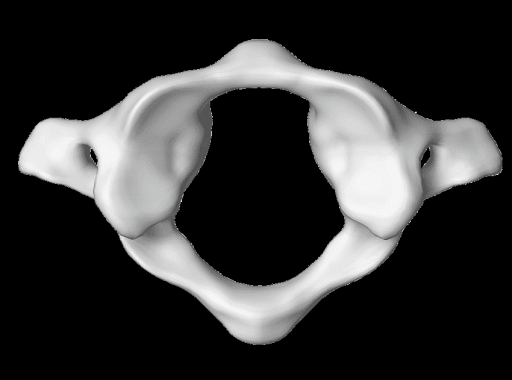
NUCCA takes a different approach. The technique focuses on the relationship between the head, the atlas vertebra, and the rest of the spine as a single interconnected system. When the atlas is properly aligned, the rest of the spine tends to follow. The correction is calculated through precise digital imaging that measures the exact position of the atlas in three dimensions, and the adjustment itself is gentle, specific, and designed to restore the head’s balance over the spine.
The result is a correction that addresses the foundational misalignment driving compensations throughout the body, not just one of many symptoms of that misalignment. When the foundation holds, the structure above it stays stable.
Why Holding Matters More Than Adjusting Frequently
The goal of NUCCA care isn’t to adjust you often. It’s to adjust you well and then leave the correction alone so your body can adapt to the new alignment. Every time the atlas is moved, the surrounding muscles, ligaments, and soft tissues need time to settle into the new position. Constant adjusting interferes with that process. The body never gets a chance to stabilize.
This is why NUCCA practitioners check whether you still need an adjustment before performing one. Leg length comparisons, postural analysis, and other assessments help determine if the previous correction is holding. If your alignment is stable, no adjustment is given that visit, regardless of what your appointment was scheduled for. Holding the correction is the point.
What Determines How Long a Correction Lasts
Several factors influence how long your first NUCCA adjustment holds, and understanding them helps explain the variability we see between patients.
The severity and duration of the original misalignment matters significantly. Someone whose atlas shifted recently from a single event, like a fall or minor accident, often holds corrections longer than someone whose misalignment built up over decades of compensation. Older misalignments have created deeper muscular and ligamentous patterns that take more time to release.
Tissue quality plays a role. Patients with healthier muscles, ligaments, and connective tissue tend to hold adjustments longer. Chronic dehydration, poor sleep, high stress, and inflammatory conditions can all reduce how well the body maintains a correction.
Daily habits matter too. Patients who sleep on their stomach, slouch at a desk for ten hours a day, or spend their evenings looking down at a phone are constantly placing stress on the upper cervical spine. These patterns can pull the atlas back out of alignment faster than gentler daily routines.
What You Can Do to Help the Correction Hold
The hours and days immediately after your first adjustment are particularly important. We typically recommend avoiding strenuous activity, heavy lifting, and aggressive exercise for about 48 hours so the soft tissues can settle. Sleeping on your back or side with proper support helps protect the new alignment overnight. Drinking enough water supports tissue health and helps the body adapt.
Avoid getting other adjustments from providers using high-velocity techniques during this period. The forces involved can undo the precise correction NUCCA worked to establish.
What Typical NUCCA Care Looks Like Over Time
A common pattern in NUCCA care involves more frequent visits early on, as the body learns to hold the new alignment, followed by progressively longer gaps between appointments as stability improves. Patients may start with weekly visits for a few weeks, transition to every two or three weeks, then to monthly check-ins, and eventually to maintenance visits every several months.
This pattern reflects the technique working as designed. The goal is to need less care over time, not more. Patients who reach long holding patterns often feel better than they have in years, with corrections lasting for extended periods between visits.
What This Means for Your Care
Walking out of your first NUCCA correction can feel anticlimactic. There was no crack, the adjustment was subtle, and you may not feel dramatically different in the moment. The changes happen gradually as your body adapts to proper alignment over the following days and weeks. That’s the technique doing exactly what it’s supposed to do. If you’ve been dealing with chronic neck pain, headaches, or other symptoms and want to explore whether NUCCA care fits your case, the team at Atlas Chiropractic in Fort Wayne can walk you through what to expect.